

Tempted to hang up your gardening gloves for the season? Cambridge University Botanic Garden’s Sally Petitt reminds us that there’s important work still to be done!
Images by Howard Rice
For many, gardening in the winter can be a chore: easily forgotten or dismissed in favour of the comfort and warmth of your home.
Even if you’ve decided not to garden in winter, there are fleeting moments that all gardeners should savour. I know for me, seed heads bejewelled with glistening frost on a crisp morning lift my spirits. And it is hard to beat those rare occasions when you step into a serene landscape freshly clothed in snow.
Such picture-perfect moments are rare in our winters; more often we endure prolonged periods of dull, damp conditions coupled with freezing temperatures, which can have a negative impact on our plants and gardens. Fortunately, there are simple steps gardeners can take to mitigate against winter damage in the garden.
Protecting potted plants

Mediterranean beds (top) and Eryngium giganteum in the Dry Garden at the Botanic Garden (above)
Many of us grow plants in pots, and while hardy perennials and shrubs will endure harsh winter conditions, moving potted plants into an unheated greenhouse or tucking them against a building to be sheltered from the elements will limit rain and frost damage. This is particularly helpful for tender perennials such as Salvia ‘Amistad’, if pot grown.
If you’re leaving your pot-grown plants outside over winter, it’s also worth sitting them on pot feet, or even bricks, as better compost drainage and air circulating to the roots can help deter root rot. This will also protect your clay and terracotta pots as it keeps them drier and prevents cracking. Though in very cold spells it can also be worth wrapping them in fleece or hessian for a little extra protection.
Wrapping plants
It can also be beneficial to wrap plants during cold, wet spells. In mild winters, covering the crown of tree ferns (Dicksonia antarctica) with a bundle of fleece, hessian, bracken or straw is enough to protect the crown and developing fronds. In harsher winters, tree ferns and other exotics, such as the Japanese banana (Musa basjoo), will benefit from some additional protection: being completely wrapped up in horticultural fleece, hessian, straw or bracken and perhaps supported with a framework of canes or stakes.
It may not be possible to move larger tender plants such as Japanese pittosporum (Pittosporum tobira) out of a permanent planting position, so these can also be wrapped in a fleece or hessian blanket.
If you’re covering or wrapping your plants during periods of cold, remember to remove the protective coverings during milder spells to prevent the plants sweating and rotting.



Overwintering tender bulbs, corms and tubers
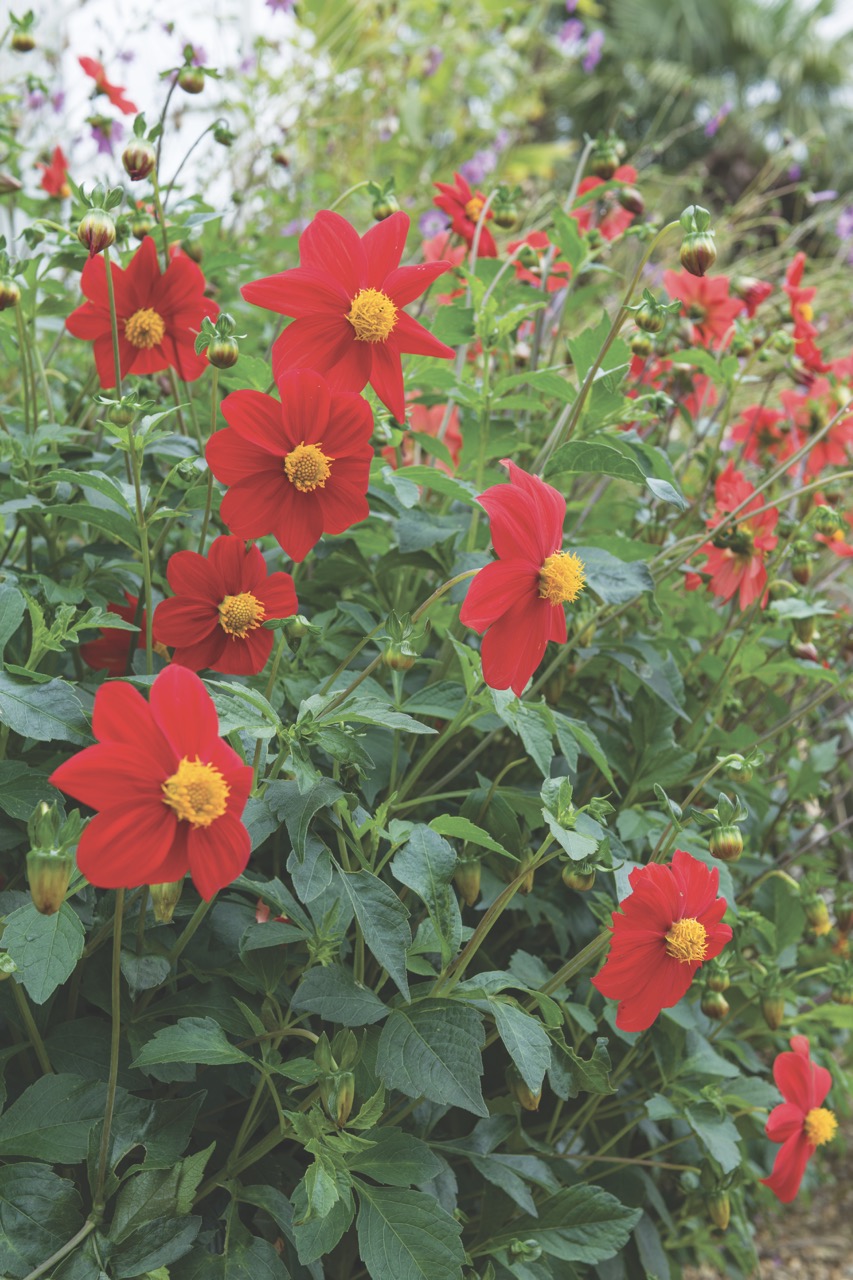
If you’re growing tender bulbs, corms or tubers – including dahlias, cannas and begonias – a dry mulch of straw will help them get through the winter in situ.
Dahlias can be lifted and overwintered, but this requires careful lifting (once the plants have been scorched by the first frosts) and cleaning of the tubers. They should be stored upside down in a dry, frost-free location until they are thoroughly dried, then placed in a tray or wooden box and covered with dry sand, soil or compost until the spring. At this point, you can start watering them and bringing them back into growth before planting out.
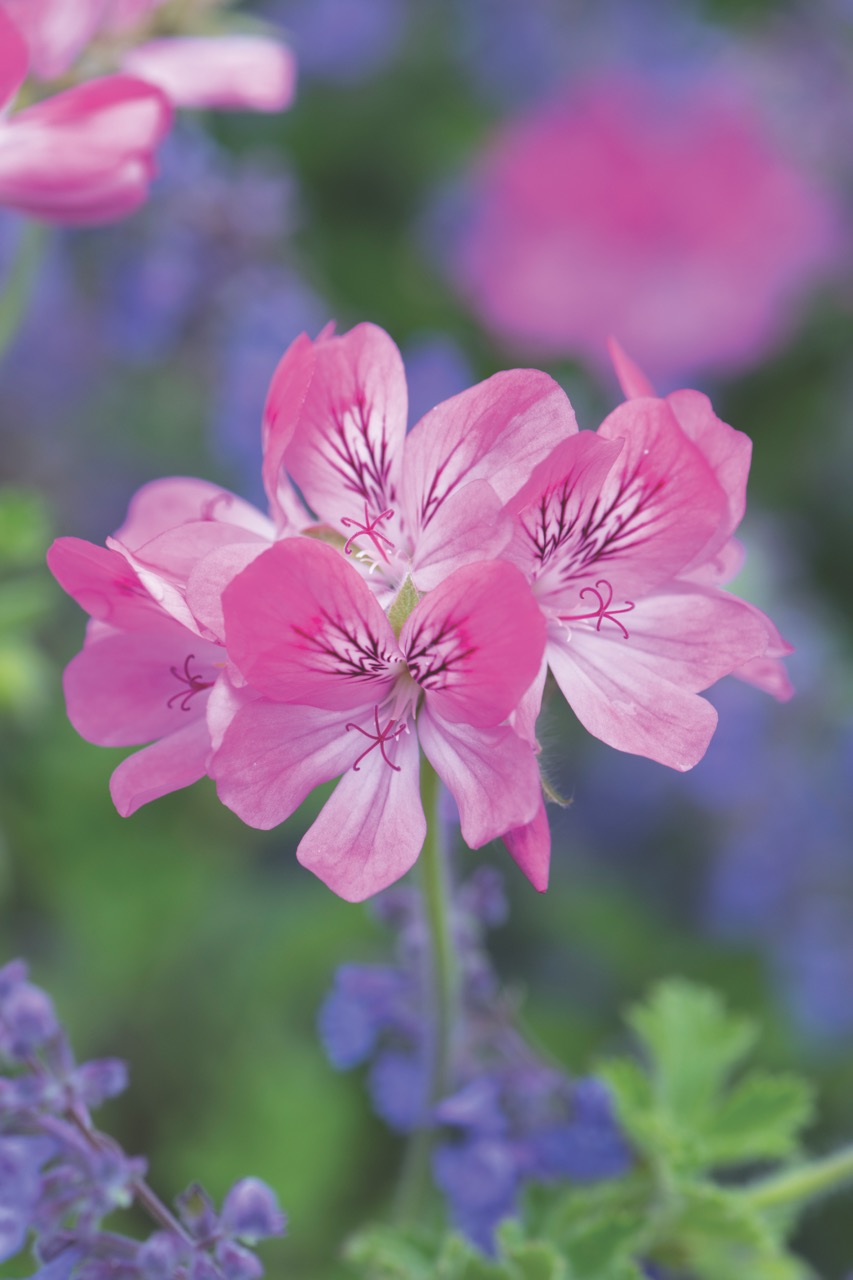
Cannas, pelargoniums and fuchsias can all be cut back and brought into a dry, frost-free environment over winter – such as a greenhouse, shed or garage – and kept on the dry side over winter until the new growing season, when you can start to increase the amount of water you give them. If you have enough space on your windowsill for overwintering pelargoniums indoors, they may not need to be cut back. Meanwhile, tuberous begonias and gladioli can be cut back, cleaned of all compost and stored within paper bags in a dry location.
Tender bulbs and plants may also be left in the garden, but should be covered with a dry mulch of straw or compost to protect them from wet and cold, especially if you’re gardening on clay soil, which tends to sit very wet in winter.
Dealing with snow
If you’re tempted to hunker down and do nothing in the garden over winter, be mindful that excessive snow load can damage established shrubs and hedges. Even if you choose not to move your potted plants or mulch tender perennials, it’s still a good idea to knock heavy snow loads from cherished plantings.
Heavy snow can also damage features such as fencing, trellises, polytunnels and greenhouses (especially if they are old or have broken glass), so it’s worth taking a few minutes to clear snow from these.
Planning ahead for winter
It’s impossible to predict how severe any winter might be, but taking a few simple steps can help protect treasured plants from the ravages of harsh weather – and it may also save you time and money in replacing losses.
For those of you dreaming of a gardening-free season, be warned: there really is no such thing as a complete break in the gardening calendar!


Gardening jobs for December
- Place flowerpots on feet.
- Check that protection on plants is still secure but also remove protection during mild spells.
- Plant, or transplant, trees and shrubs.
- Finish clearing leaves and debris from the garden.
- Continue mulching beds if the ground isn’t frozen.
- Take hardwood cuttings of shrubs such as dogwoods (Cornus spp), forsythia and buddleja, and also climbers such as honeysuckle (Lonicera spp).
Sally Petitt is head of horticulture at Cambridge University Botanic Garden. From gardens for the senses to beds of roses, explore more of Sally’s gardening tips.
