

The colder months can often trigger the onset or worsening of a host of unwelcome skin conditions. Here is some expert advice on two of the most common…
Dry skin
Consultant dermatologist Dr Nigel Burrows of The Day Clinic suggests strategies for managing dry skin during the winter, helping keep it smooth, hydrated and comfortable
Managing dry skin during the winter months is challenging, but with the right strategies you can keep your skin hydrated and healthy. Here are several effective ways to manage it as temperatures drop…
- Hydrate from within: If your water intake is low, increasing how much you drink can lead to small improvements in skin moisture levels. Herbal teas are also a comforting way to increase your fluid intake during the colder months.
- Use a gentle cleanser: Switch to a mild, hydrating cleanser that won’t strip your skin of its natural oils. Avoid foaming products and those with harsh ingredients such as alcohol or fragrances, which can exacerbate dryness.
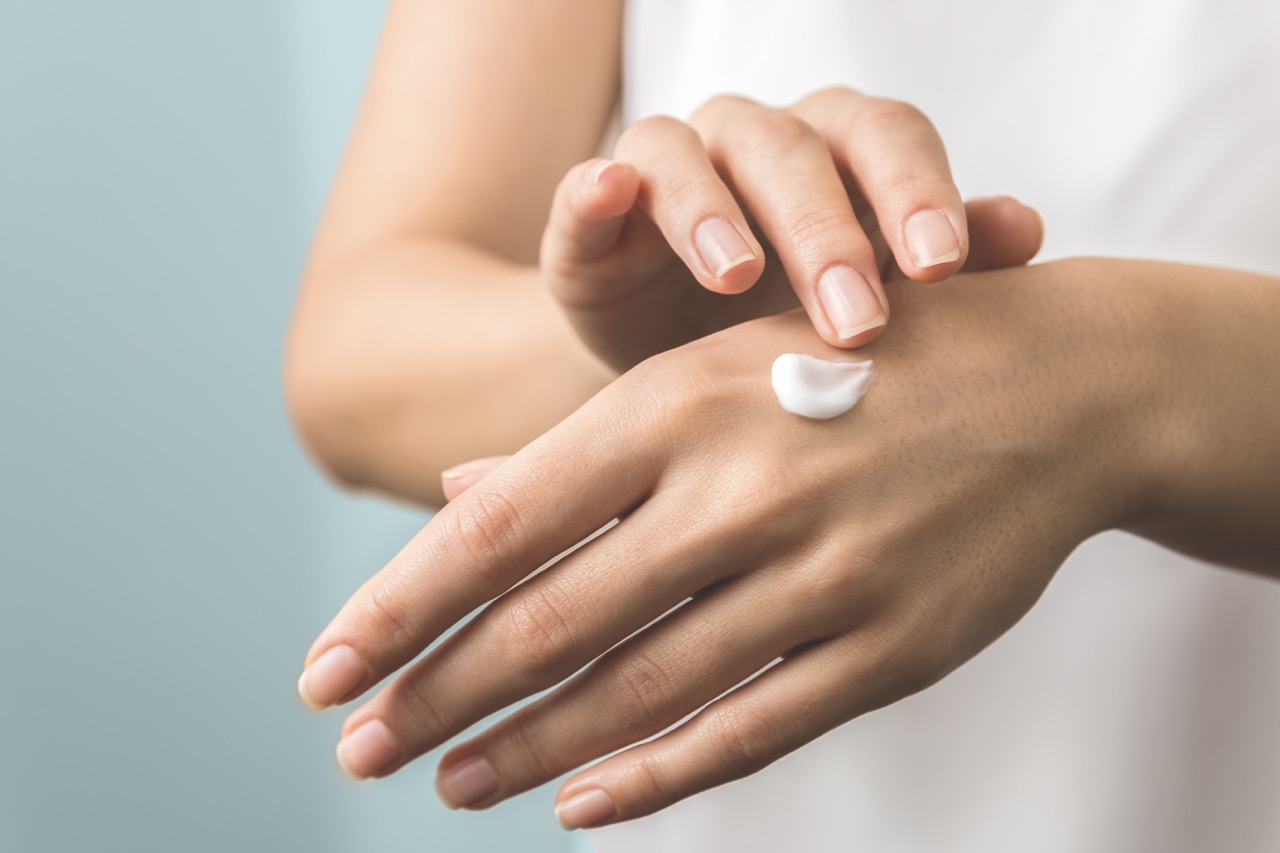
- Moisturise regularly: The single most beneficial strategy in winter months is to apply a rich moisturiser immediately after showering or washing your hands to lock in moisture. Look for creams or ointments containing ingredients such as glycerin, hyaluronic acid or ceramides. These help to attract and retain moisture in the skin.
- Don’t forget your lips: Apply lip balm or petroleum jelly to prevent dryness and combat cracking.
- Opt for humidifiers: Indoor heating can significantly reduce humidity levels, leading to dry skin. Using a humidifier in your home adds moisture to the air, which benefits your skin. Place it in your bedroom while you sleep for the best results.
- Limit hot showers: While a hot shower is tempting in winter, it can strip your skin of natural oils. Opt for lukewarm water instead and limit your shower time.
- Exfoliate wisely: Gently exfoliate your skin once a week to remove dead skin cells that can make dryness worse. Use a mild scrub or chemical exfoliant with alpha or beta hydroxy acids. Avoid over-exfoliating, as this can lead to irritation.
- Dress appropriately: Wear breathable, layered clothing to protect your skin from cold air. Natural fibres such as cotton are less irritating than synthetic fabrics. Don’t forget gloves to protect your hands and a scarf to shield your face from wind.
- Protect your skin outdoors: Apply a broad-spectrum sunscreen even in winter, as UV rays can still damage your skin. Use a moisturiser with SPF for added protection.
- Consider a night cream: Use a thicker night cream before bed for extra hydration. Shea butter or petrolatum creams provide a barrier to prevent moisture loss overnight.
- Vitamin D supplementation: It’s widely recognised that vitamin D supplements can be beneficial, especially for those at risk of a deficiency, but it can actually make some skin problems linked to dry skin worse.
Eczema
Dr Gary Stiefel, paediatric allergist and director of Children’s Allergy Cambridge, provides eczema advice for all ages
Eczema is a skin condition that affects approximately 20% of children and up to 10% of adults. The condition causes skin to become red, dry, itchy and inflamed, with the severity of symptoms varying from person to person. It’s not something you can catch from others.
Problematic eczema can have a significant impact on one’s quality of life. While not everybody’s eczema deteriorates at the first sign of colder weather, many people can link a sudden downturn in the condition of their skin with the onset of autumn/winter. In addition, central heating reduces humidity and dries the skin, making it itchy. However, high levels of humidity can encourage dust mites and the growth of mould, which can both trigger eczema.
Some tips include:
- Keep all the rooms in your home at a regular temperature (18°C is ideal).
- Dress in thin layers that you can easily remove if you get too hot.
- Keep your home well ventilated in the winter.
- Maintain humidity levels between 30% and 60%. Consider getting a humidifier or placing bowls of water under radiators if your home is on the dry side (low humidity).
In addition, in my experience as a paediatric allergist, the biggest problem with eczema is under-treatment. Firstly, you need to identify an appropriate moisturiser that works for you, apply it correctly and use appropriate amounts. NICE (National Institute for Health and Care Excellence) recommends using as much as 250-500g per week.
There is often concern around steroid creams and ointments, which are generally extremely safe when applied correctly. It is important to use steroids appropriately and, wherever necessary, to use steroid-sparing medications called topical calcineurin inhibitors (TCIs) such as Elidel (pimecrolimus), as well as Protopic (tacrolimus).
I often use the analogy of treating asthma: steroid inhalers are regularly used to treat and control asthma, but if you stop using it, the asthma comes back. Eczema is no different. It’s a long-term condition and needs long-term treatment. Therefore, you want to use the minimal frequency of medicated creams to maintain control. Healthcare professionals sometimes recommend using them on weekends, called weekend therapy or a proactive approach.
While some foods can provoke or exacerbate eczema, especially in infants, it’s not usually the main cause. Skin prick tests or specific IgE allergy tests are rarely helpful in identifying a cause for eczema. However, they may be helpful in identifying children at risk of immediate (IgE-mediated) food allergies, especially if they have moderate to severe eczema. The clinical history of the eczema can be helpful in identifying triggers.
For further useful information look up the National Eczema Society, Allergy UK and itchysneezywheezy.co.uk
