

As the number of pupils with special educational needs grows across the country, Charlotte Phillips goes behind the scenes at local schools to learn about the support they offer
Special educational needs, additional needs and neurodivergence. The terms may vary, but the statistics all tell the same story. Every year, more children are being diagnosed with learning challenges. In June, the Department for Education reported that more than 1.7 million pupils in England have special educational needs (SEN), an increase of 5.6% and of almost 100,000 students since 2024.
According to the government, an estimated one in seven have some form of learning difference. Given those figures, you can expect that in every school in the country, a class of 30 pupils could on average include up to a handful of pupils with learning needs.
Raising awareness
SEN takes in an eclectic range of conditions, of which the most common are attention deficit hyperactivity disorder (ADHD), autism and more specific learning difficulties such as dyslexia and dyspraxia.
That doesn’t mean that every neurodivergent child will be identified. While some children might have, or are awaiting, a diagnosis, others will go through their schooldays – possibly even the rest of their lives – without ever having or needing a formal assessment.
It’s likely the higher figures reflect improved awareness and identification, something that benefits everyone, as Ian Barker-Sherry, the director of student learning at King’s College School, points out. “It allows us to know and teach pupils better. Every child has a specific combination of relative strengths and weaknesses; whether those are defined SEND (special educational needs and disabilities) needs, or individual preferences and predispositions for learning, they all need to be considered and met in an individual way.”
As parents and schools will tell you, it is when learning differences start to impact day-to-day life, happiness and wellbeing that help is needed. That includes very able pupils who may sail through their schoolwork yet struggle with other aspects of school life, such as navigating friendships. This is where schools, working together with families, can step in and make a huge difference.
A culture of inclusivity
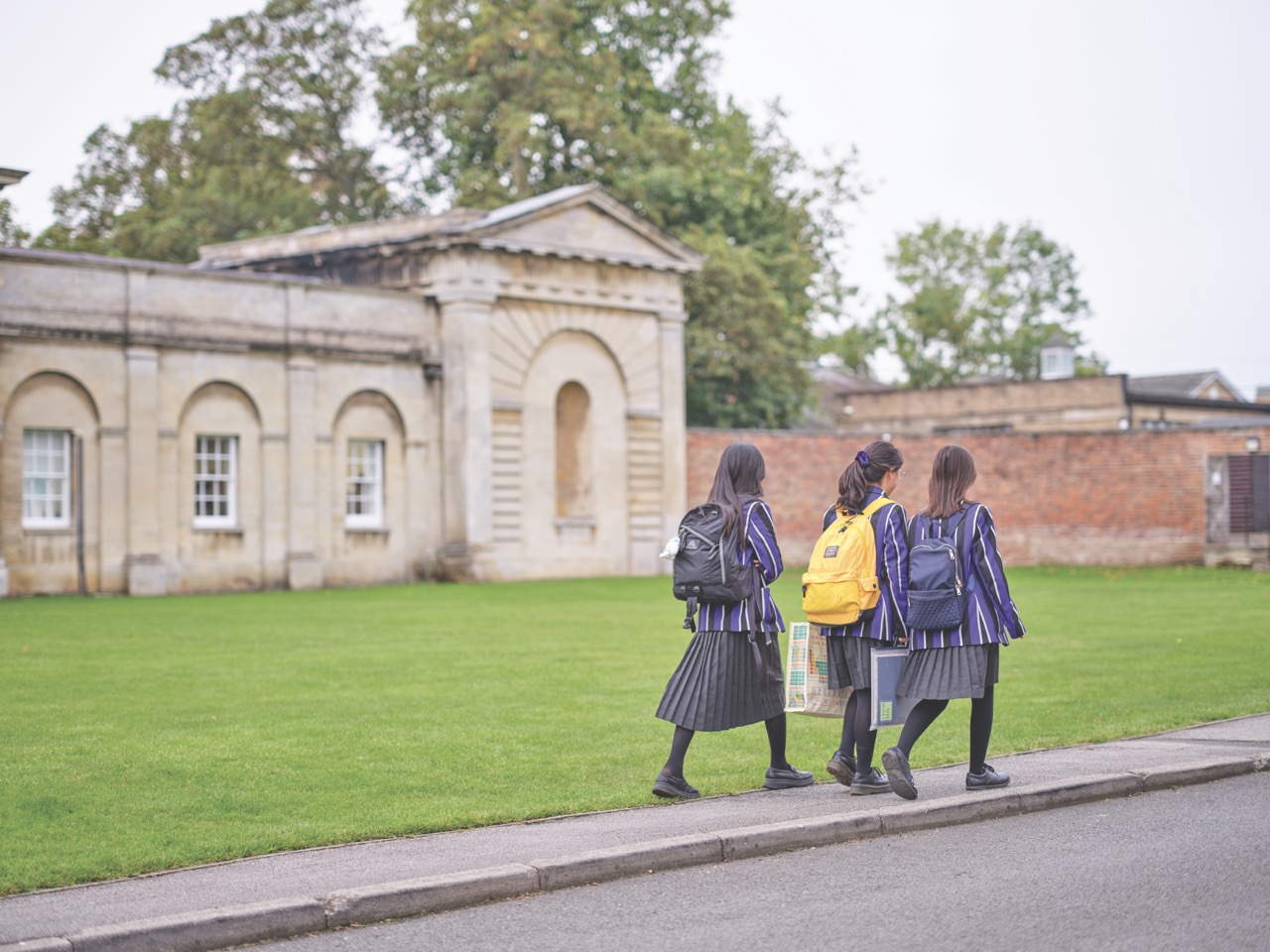
Increasingly, an inclusive approach is seen as the key to helping every child flourish and progress at school. That requires a supportive, understanding culture and, fortunately, it’s something our area boasts.
Cambridge International School, for example, welcomes what its deputy headteacher Daniel Orwin describes as “a diverse range of students, from those who join us from overseas to children living locally. We are a small, friendly and inclusive community, often chosen by parents whose children have previously found traditional school environments challenging.”
The school’s classes are mixed in age and intentionally small, with around 12 children in each. “We’ve seen the benefits
of this approach,” says Daniel. “Younger pupils gain inspiration and support from older classmates, while older children develop confidence and leadership skills.”
The school has introduced a project-based learning approach, linking different subjects, ranging from science to art and design, through shared topics with engaging titles like ‘Mission to Mars’. “The result is a positive, collaborative atmosphere where friendships and learning both flourish,” Daniel enthuses.
At Kimbolton School, too, the curriculum is designed to reflect and celebrate a range of cultures, histories and perspectives, including Black History Month and Pride Month. It’s a focus with tangible benefits, preparing students for the real world and developing enduring values such as collaboration, empathy and an understanding of diverse perspectives.
“An inclusive culture encourages critical thinking, which is a central strand of our learning DNA,” says Kate Latham, Kimbolton School’s assistant head with a special focus on teaching and learning. “We believe that, when people with varied experiences collaborate, this challenges assumptions and fosters reflection.”
A place to thrive
Producing outstanding work in a caring environment also strikes a chord at St Faith’s School. “We are committed to making sure every child receives the support that they require to thrive – academically, socially and emotionally. With our tailored education and dedicated team, we create a nurturing environment where all pupils are encouraged to reach their full potential,” says Sophie Buchanan, head of learning support at the school.
To support any pupils who might have a diagnosis of, say, dyslexia, dyscalculia, ADHD, autism or speech and language delays, comprehensive support is in place.
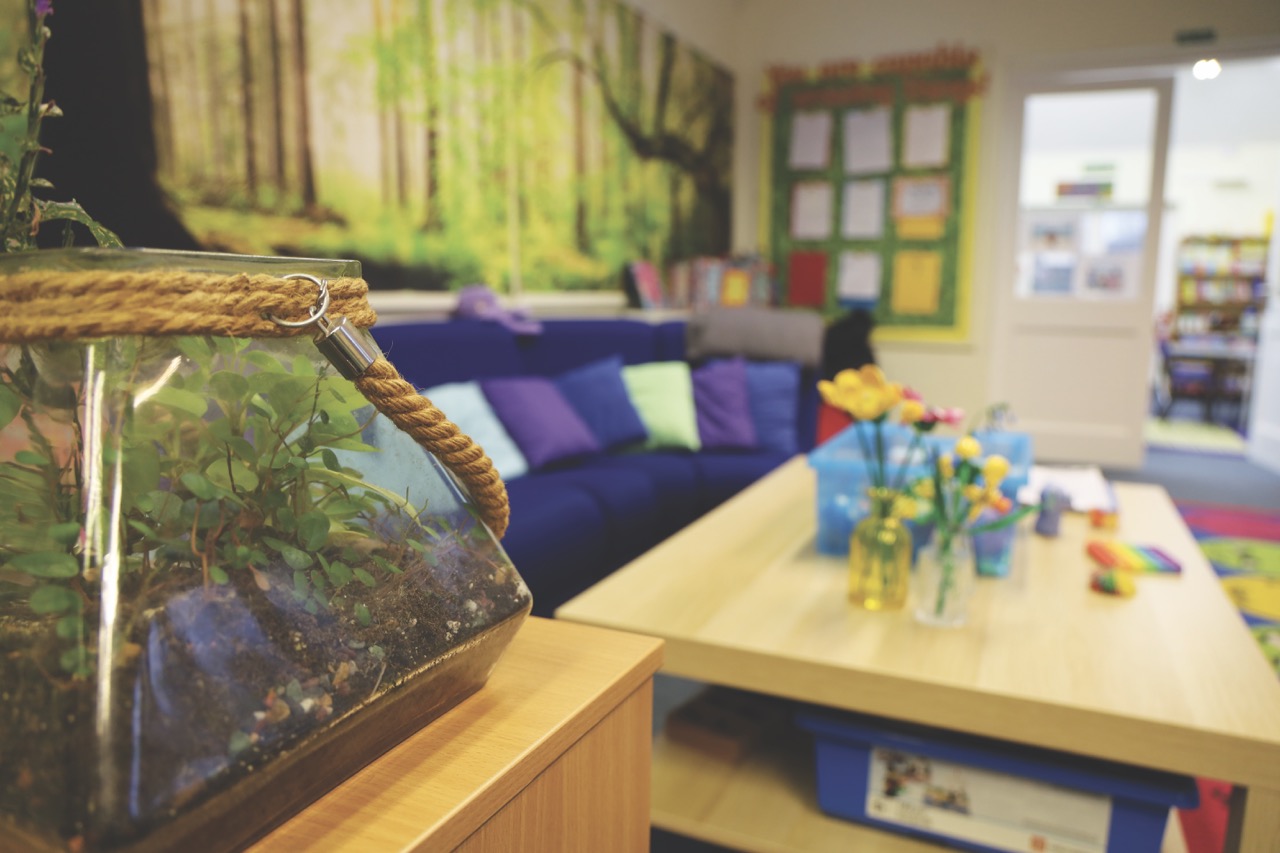
That positive, affirming approach starts with the school’s youngest pupils, explains Louise Wakefield, St Faith’s Pre Prep head. Go into any Pre Prep classroom and the environment will be calm and purposeful. “There’s a quiet confidence in the air: every child knows they belong here,” she says.
Such a sense of belonging lies at the heart of inclusion. “While we are a mainstream school, we know that every child’s needs – whether social, emotional or academic – deserve to be understood and met with care. Inclusion isn’t just a bolt-on or label. It’s a way of teaching, thinking and designing environments so that all children can thrive.”
It’s all linked to an inclusive philosophy where the focus is on helping every pupil experience success, and that continues all the way through the school.
Specialist academic support is delivered by experienced learning support teachers and teaching assistants, and is guided by regularly reviewed Individual Education Plans. St Faith’s also has a dedicated emotional literacy support assistant, or ELSA, whose work with pupils includes fostering positive mental health. “Pupils learn essential skills to manage their emotions and build resilience in a safe and supportive environment,” says Sophie Buchanan.

Breaking down barriers
For King’s College School, inclusion means providing an excellent education for every pupil, which can be different for each child.
“Some might have the capacity to excel academically, but need support and encouragement to do so,” says Ian Barker-Sherry. “It’s our responsibility to make sure that every pupil accesses the level of learning and support that is right for them. For pupils with SEND or EAL (English as an additional language) needs, excellence is about creating support structures that enable them to engage fully in the rich curriculum on offer, and in the wider life of the school, without their defined needs becoming a barrier.”
In-house specialist teachers and assessors can identify a range of additional needs and respond as required. “Once a child’s need has been identified, we then work out how to adapt and change what we do as teachers, to ensure they can fully demonstrate their understanding,” says Ian. “It isn’t about labelling a child as having needs, it’s about describing and understanding those needs so that everyone involved in supporting them can work out how best to do so.”
High expectations for pupils and a foundational belief that ‘all pupils can achieve, whatever their context or experience’ also underpins the philosophy at Kimbolton School, where support is similarly well thought-out, with a range of approaches and adjustments to reduce barriers and allow students to access the curriculum and thrive.
All for one and one for all
Schools emphasise that, when inclusion is managed whole-heartedly, it benefits everyone – not just those pupils with additional needs.
“Inclusion improves relationships and school culture,” says Kate Latham at Kimbolton School. “It demands kindness – our key school value – and strengthens our diverse community.” It also means pupils learn better. “When barriers are removed, whatever they might be, pupils can better engage and achieve.”
It’s a perspective shared by Louise Wakefield from St Faith’s. “Our philosophy is simple: what helps one helps many. Many strategies to support pupils with SEND or EAL make learning clearer, calmer and more engaging for everyone.”
As she emphasises, inclusion is about relationships, reflection and respect, not labels. “When children feel safe, happy and understood, learning follows naturally.”

Special support
Gretton School is seeing an increase in applications every year. The school supports pupils with Education, Health and Care Plans funded by their local authorities, who simply can’t cope with the overwhelming size and scale of a mainstream environment. “A number of our children have been excluded for displaying autistic behaviour,” explains headteacher, Beth Elkins.
That doesn’t mean those pupils can’t achieve academically – far from it. “We have students who can learn at or above their peers but can’t do so in mainstream settings,” Beth adds.
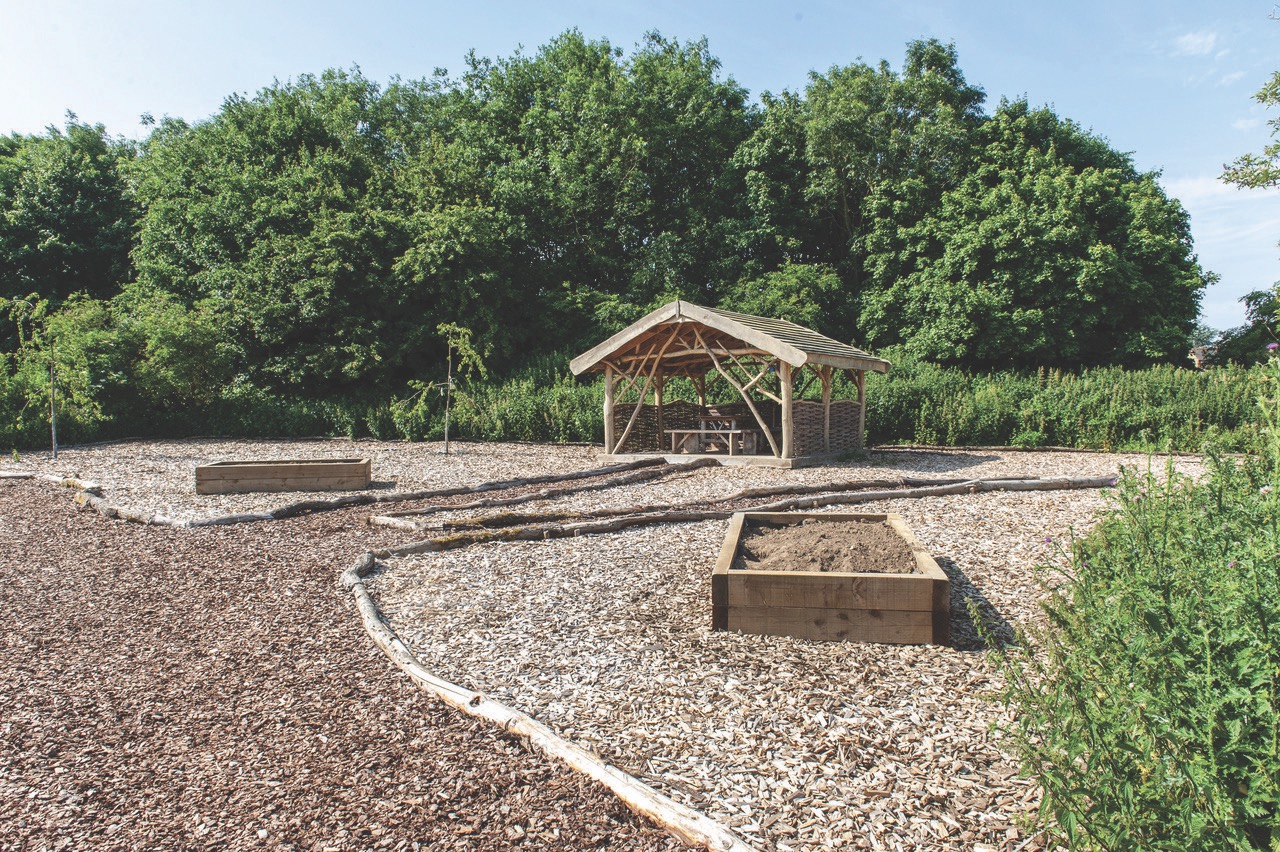
The school offers a broad, balanced mainstream curriculum delivered by highly trained staff who understand autism and the difference that it can make to learning. It is about looking at the pupil holistically. “We also base everything on the development of emotional literacy and regulation. We look at the whole individual. We know that every person is different, but we also know more than that; that every autistic person is different.”
Expert staff who are part of the school’s multidisciplinary team identify learners’ special interests, skills and abilities, and harness these to help the pupils. At the heart of this approach is relational practice, putting relationships front and centre.
Holistic support helps learners grow and develop with input from a team of therapists who are integrated both in the curriculum and classroom life, and in small group or one-to-one sessions. “Our approach is therapeutically and trauma-informed so behaviour becomes a dialogue rather than a matter of management,” says Beth. It also involves extensive liaison and collaboration with education and care staff, learners, their families and other professionals.
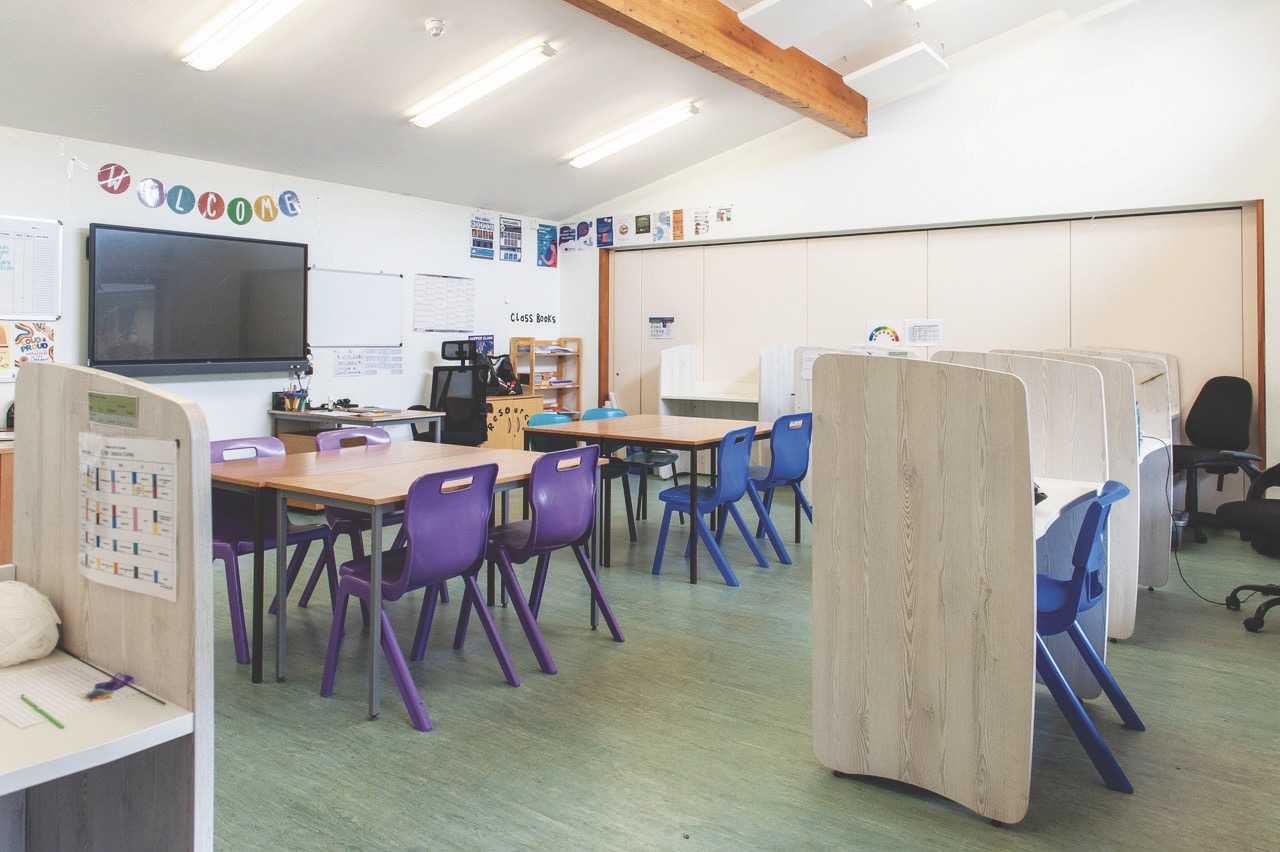
“The whole school is set up to help young people succeed. Each learner has their own protected work station, as well as the opportunity to join others at a central table in the classroom. All classrooms have a quiet space – we do not believe in isolation rooms. These are often a place of trauma for children; when they are dysregulated, isolation is the last thing they need. Connection is the key,” Beth concludes.
Getting help
If you think your child may have special educational needs, contact the SEN co-ordinator (SENCO) at your child’s school or nursery – or your local council if your child is not at a school.
